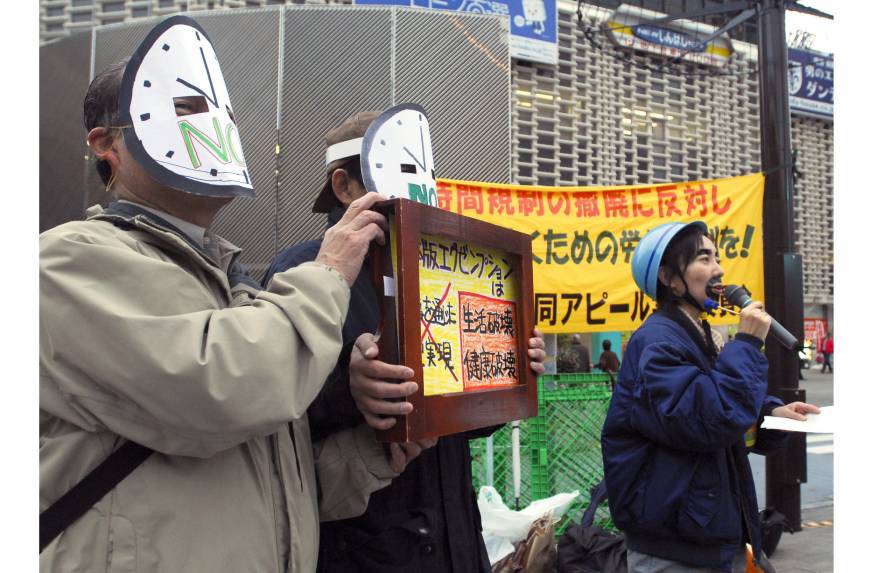
‘Zero Overtime Bill’ is the thin end of the wedge for workers’ rights
Takuboku Ishikawa died in 1910 at the tender age of 26. But before he left this world, he penned the following famous tanka:
働けど
働けどなお
我が暮らし
楽にならざり
じつと手をみるHatarakedo
Hatarakedonao
waga kurashi
raku ni narazari
jitto te wo miruStaring at my hands
I toil and toil
yet my life gets no easier
Bewildered by his predicament, Takuboku found himself staring at the hands that connected him both physically and spiritually to his work.
過労死をいっそう促進する「残業代ゼロ制度」はどう考えればいい
働けど
働けどなお
我が暮らし
楽にならざり
じつと手をみる
1910(明治43)年に26歳で夭逝した歌人の石川啄木による、あまりにも有名な短歌である。「どれだけたくさん働いても、一向に暮らしは楽にならないのはなぜだろう? 途方に暮れて、思わずじっと自分の手を見つめてしまう・・・」という意味である。
啄木は若き才能あふれる文学者であったが、生前はその才能が世間になかなか認められず、代用教員や校正など、生活のために様々な職に就いていた(ちなみに、彼は周囲の人に借金をしまくっており、しかもその返済をしなかったという)。ただし、啄木は肉体労働には就いていなかったので、「じつと」見つめていた手は、きっと赤剥けもささくれもなく、細く白かったのだろうと推測できる。
In the News
執行委員長奥貫妃文が、フランスのリベラシオン誌Arnaud Vaulerin記者より、マタハラの件で取材を受けました。記事のメインはマタハラネット代表の小酒部さやかさん。奥貫は、マタハラが起こる背景や法規定との関連についてコメントしました。
Executive president Hifumi Okunuki got interviewed by Liberation in the French press journalist Arnaud Vaulerin about Japanese matahara (maternity harassment). The article is about Sayaka Osakabe of Matahara Net. Okunuki made a statement about the background of matahara.
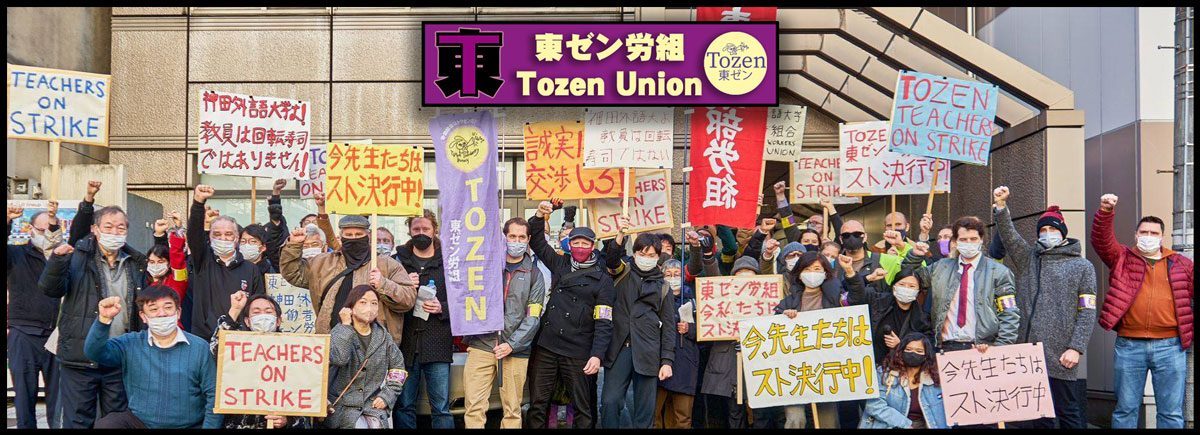
組合活動した大学の外国人講師7人雇い止め「ユニオンの排除が目的か」弁護士が批判
東京・豊洲などにキャンパスがある「芝浦工業大学」で英語を教えていたが、3月末に雇い止めになった外国人の元非常勤講師7人が4月7日、厚労省記者クラブで会見を開いた。元講師たちは、カリキュラムの変更を理由に雇用契約が更新されなかったのは無効だとして、雇用の継続を訴えた。
7人は労働組合を結成して、大学側と労働環境の改善に向けた交渉をしていた。7人を支援する弁護士は「ユニオンを排除するためにカリキュラムを変えたのではないか」と語っている。
Osaka’s General Union lands major court victory on Shakai Hoken
GU court victory against gov’t over insurance to have major impact
On 20 March at 13:25, the Tokyo District Court ruled on the case of a General Union member who sued the Japanese government in an important test case regarding eligibility for enrollment in the Employees Health and Pension Insurance (shakai hoken).
Read more at the GU website here.
「ちゃんと休ませてくれ!」―労働法における「休憩」って?
労働法と一言でいっても、そのなかには、さまざまな個別のテーマがある。たとえば、賃金、労働時間、配転、人事評価、解雇、営業譲渡、労働災害などなど。そのなかでも、あまり重きを置かれていないものに「休憩」がある。労働法の体系書を見ても、「休憩」に割くページ数は、他のテーマに比べるとかなり少ない。そもそも「労働」法とは、まさに「働くこと」がメインの法律なのだから、その対極にある「休むこと」については、あまり重視されていないのだろうか?
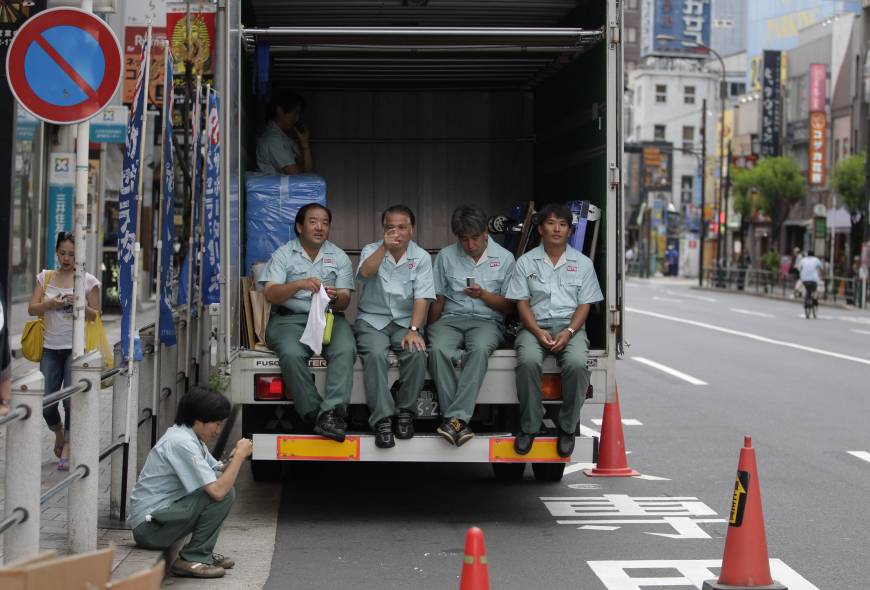
Under Japanese law, breaks are sacred and standby counts as work
Labor law covers a great deal of territory, from wages, work hours, transfers and performance evaluation to dismissals, selling of business rights and industrial accidents. One subject often overlooked is break time or kyūkei. My labor law encyclopedia devotes far fewer pages to this subject than just about any other topic. It is, after all, labor law, not “rest law.”
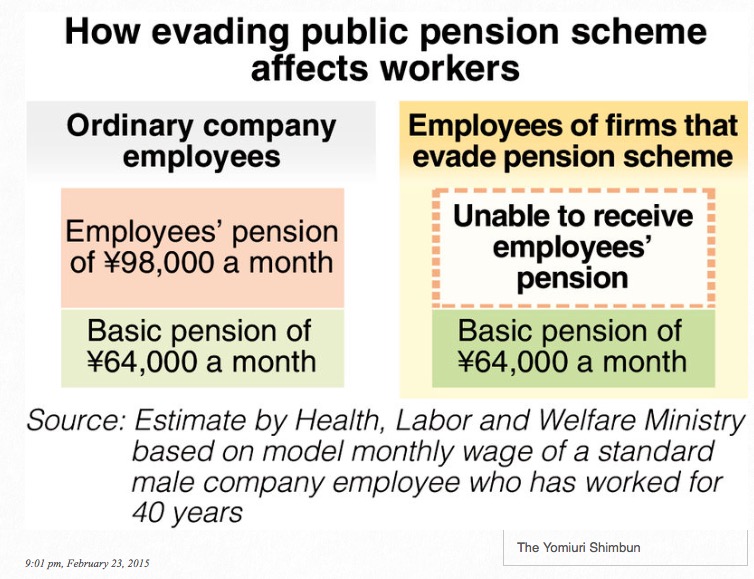
800,000 firms likely dodged pension scheme
The Yomiuri Shimbun
About 800,000 small and midsize companies are strongly suspected of evading their legal obligation to join the public pension scheme for company employees, according to the results of a joint investigation by the Health, Labor and Welfare Ministry and the National Tax Agency.
The ministry identified the companies that have likely not joined the pension scheme by examining data provided by the tax agency.