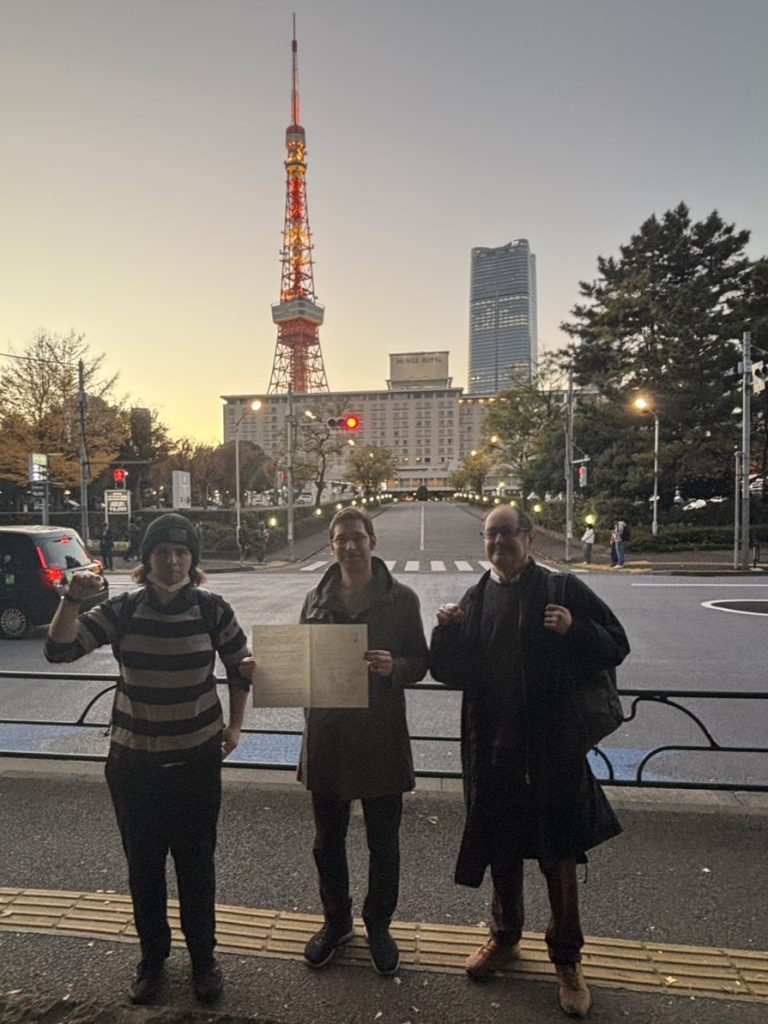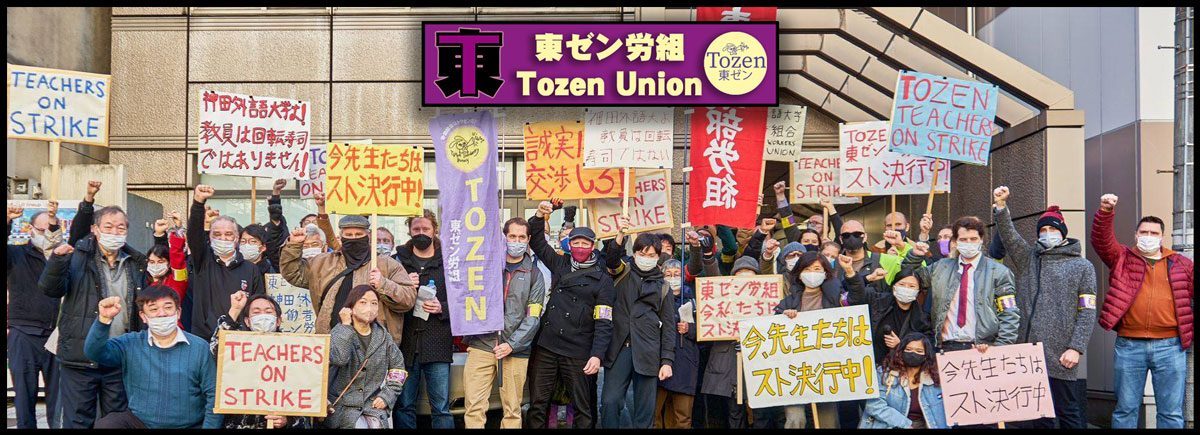
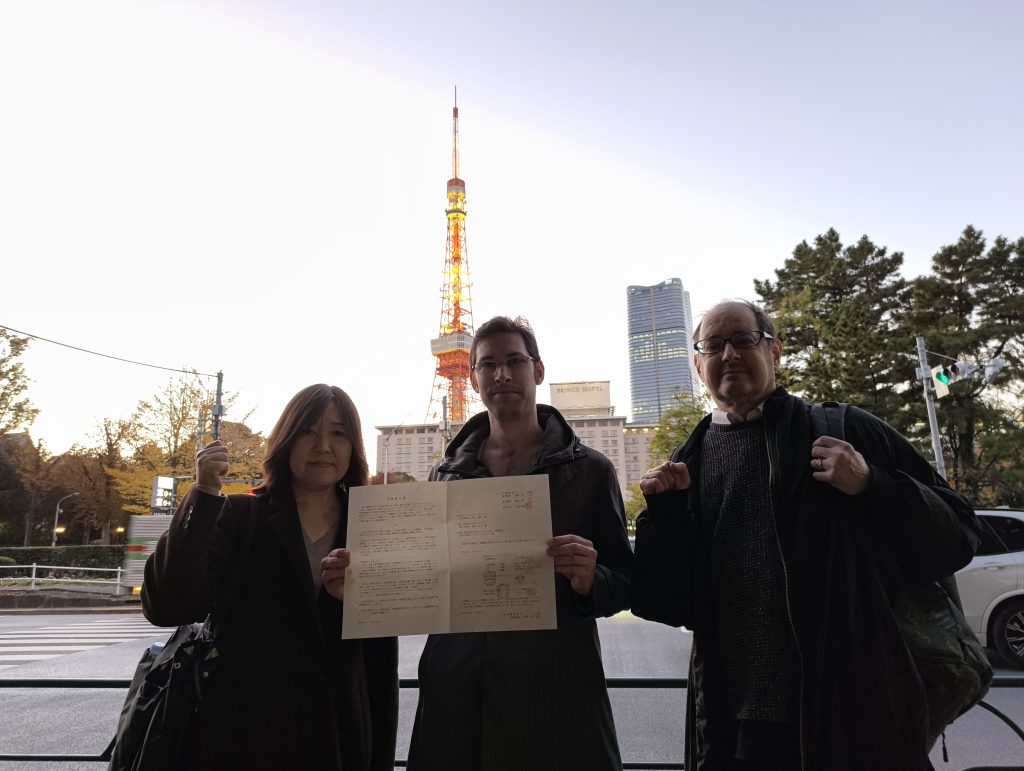
TOKYO – The Tozen Union has successfully reached a settlement with Shane Corporation at the Central Labor Commission, resolving a long-standing dispute regarding wage discrimination against union members who participated in industrial action.
The Core Dispute
The conflict originated when three union members were awarded significantly smaller pay raises than their colleagues. The Tozen Union filed a complaint with the Tokyo Labor Commission, alleging that management had unfairly targeted these individuals for their participation in strikes.
The investigation revealed that Shane Corporation had categorized strike days as “absences,” a metric that heavily influenced the calculation of annual wage increases.
Commission Rulings and Appeals
In its initial ruling, the Tokyo Labor Commission found in favor of the union, determining that penalizing employees for engaging in protected labor activities was unlawful. The company was ordered to:
- Reimburse the members for lost wages.
- Adjust their current salary levels to reflect what they would have earned without the penalty.
Shane Corporation initially appealed this decision to the Central Labor Commission, the higher appellate body for labor disputes in Japan.
The Final Settlement
During the appellate proceedings, the Central Labor Commission mediated a deal between the two parties. To avoid a formal verdict from the higher commission, Shane Corporation agreed to a settlement that satisfies the union’s primary demands.
Settlement Terms:
- Full Back Pay: Management has completed the reimbursement of lost wages to all three affected members.
- Wage Normalization: The company will permanently adjust the members’ wages moving forward to ensure parity with their peers.
- No Final Verdict: By accepting the settlement, management avoids a formal legal precedent being set by the Central Labor Commission, while still fulfilling the corrective actions.
The Tozen Union has signaled this as a victory for the right to strike, reinforcing the principle that legitimate labor actions cannot be used as a basis for financial retaliation.