Tozen Chalks Op Another Win Against JCFL


2018年11月30日、ジャパンタイムズ社取締役編集委員会は、第二次世界大戦時やそれ以前に日本企業で強制的に労働に従事させられた労働者やいわゆる「慰安婦」について、どのように表現するかを定めた「編集者の注釈」を発表しました。
従前の用語規定では、慰安婦について「第二次世界大戦時やそれ以前に日本軍に性行為を強制された女性」と表現していました。しかし、新たな規定においては、「意思に反した女性を含む、日本軍に性行為を提供するため戦時の売春宿で働いていた女性」と変更しました。
On Nov. 30, 2018, the Executive Editorial Committee at The Japan Times published an Editor’s Note announcing changes in the way the newspaper would describe both the so-called comfort women and wartime forced laborers recruited before and during World War II to work for Japanese companies.
Under the former style, the comfort women were described as “women who were forced to provide sex for Japanese troops before and during World War II.” Under the new style, they were to be referred to as “women who worked in wartime brothels, including those who did so against their will, to provide sex to Japanese soldiers.”
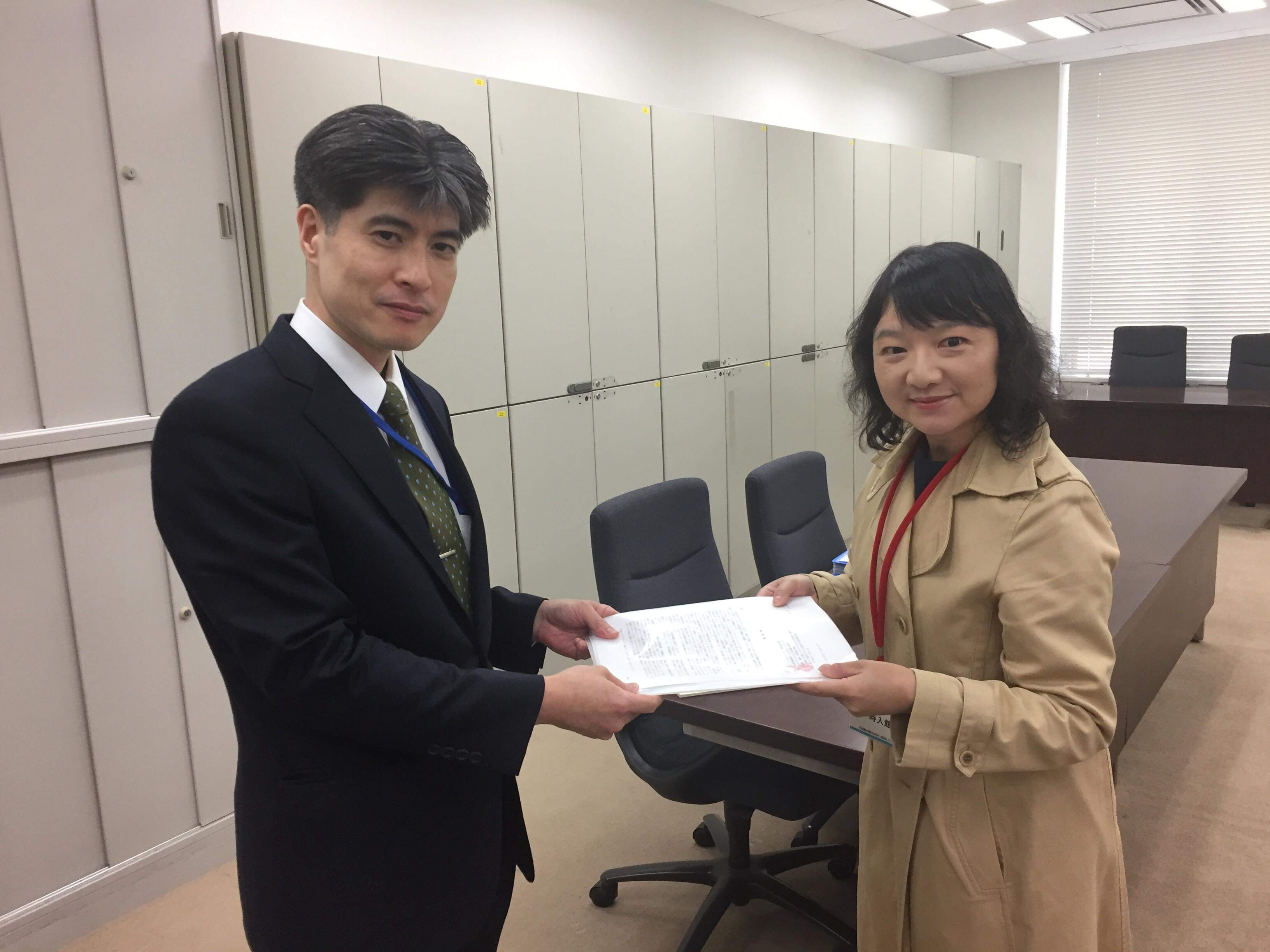
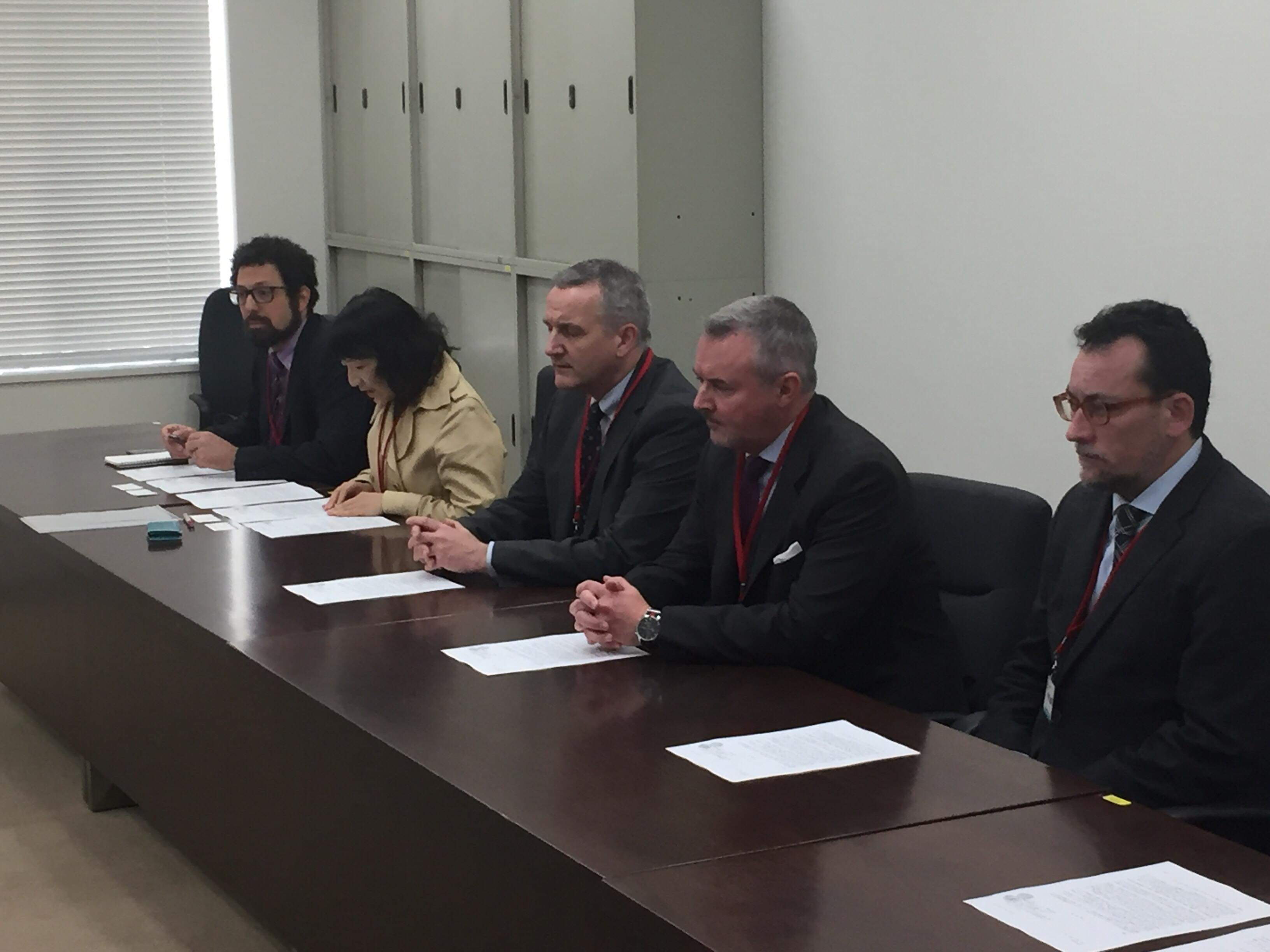
Tozen Union leaders and members met with officials from the Ministry of Education, Culture, Sports, Science and Technology (MEXT) on Nov. 26 to protest Simul International’s labor practices. The language school fired much of its long-serving staff just prior to them gaining the right to permanent employment after five years of service. The right is guaranteed under the amended Labor Contract Law.
Simul does frequent and lucrative business with MEXT, including interpreting for major international conferences. The union has already sued the company in the Tokyo Labor Commission for illegal refusal to negotiate in good faith.
President Hifumi Okunuki accompanied Field Director Gerome Rothman, members Ian Duncan, Chris Harrington, and Robert Carnochan to present a request to the ministry to investigate Simul’s evasion of the so-called five-year rule
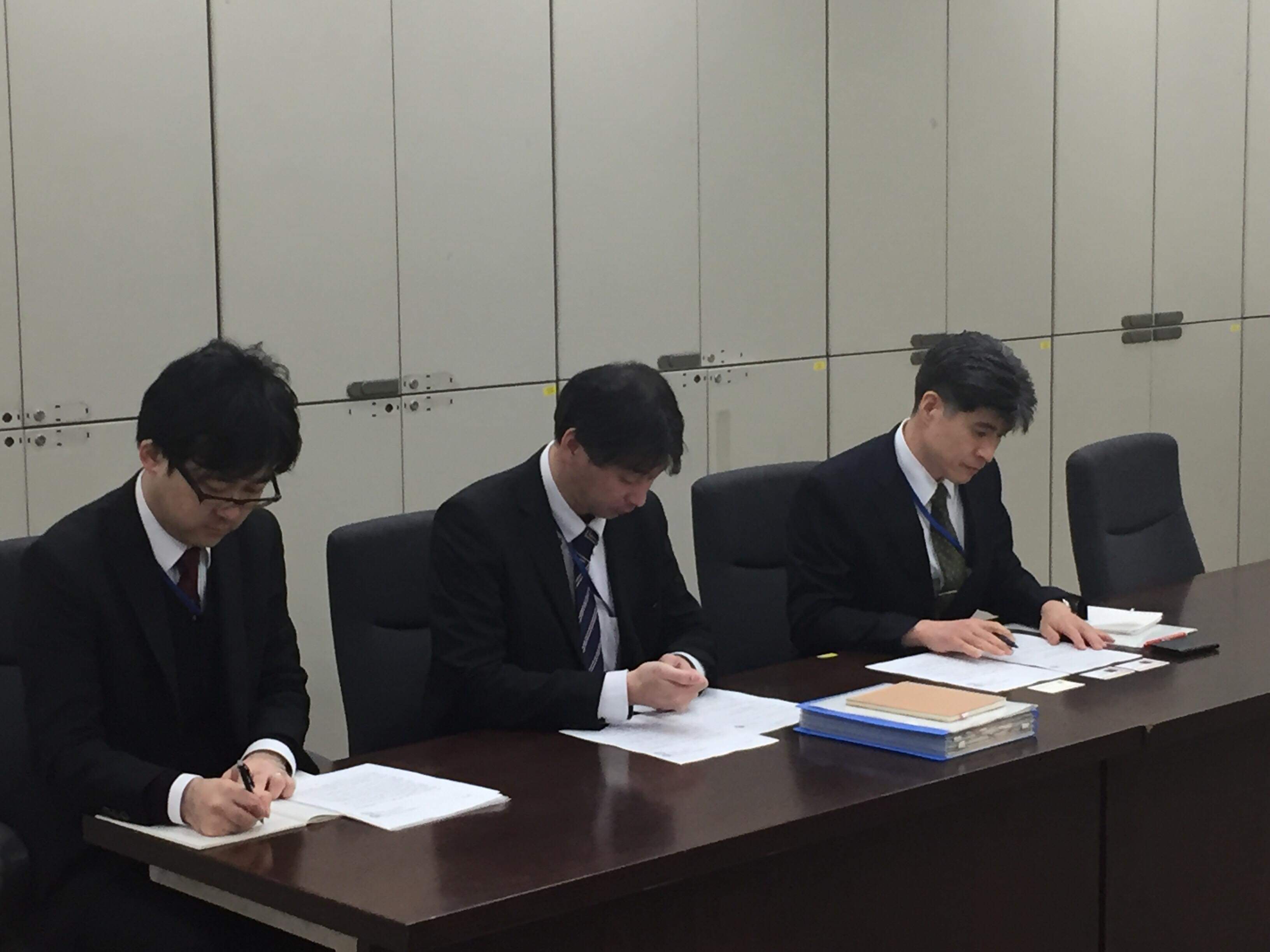
Union officials gave an overview of the case, and members then explained how the sudden firing has disrupted long-term plans and family lives. They asked the ministry to encourage Simul to reinstate the fired members immediately. The ministry expressed concern but stopped short of promising results.
Finally, the union asked MEXT to arrange a formal meeting to discuss the matter further.

Now, Tozen will be fighting for Ravy’s reinstatement. Heart fired Union Member Ravy in 2016 for seeking assistance from coworkers during a painful personal crisis. Tozen Union demanded CB, but Heart President Tatsumi Wakabayashi insisted the venue be in Mito, Ibaraki Prefecture, where the company is headquartered, even though Ravy had worked in Yokohama and Tozen is headquartered in the capital.
After several attempts to work out the venue issue and repeated refusals by the company, Tozen last year sued at the Tokyo Labor Commission. Wakabayashi was reportedly outraged that the labor commission in Tokyo, not Ibaraki, would adjudicate, since it meant that he had to come to Tokyo several times any way.
The meirei verdict orders Heart to “engage in collective bargaining in good faith toward an agreement over the dismissal and unpaid wages without insisting on Mito as the venue.” It also suggests Tokyo as the venue for collective bargaining session number 1.
Heart perhaps didn’t feel like fighting an appeal, which also would be in Tokyo. Wakabayashi has finally resigned himself to the fact that he has to negotiate and not set all the rules unilaterally.
Tokyo Labor Commission on Friday handed down a win to Tozen Union against Heart Corporation, ruling that the ALT dispatcher had refused collective bargaining in violation of Article 7.2 of Japan’s Trade Union Act.
The corporation has a notorious history of treating ALTs with utter contempt. Heart is “one of the worst in a terrible industry,” as described by Tozen organizer Louis Carlet.
The inaptly named corporation fired Union Member Ravy in 2016 for seeking assistance from coworkers during a painful personal crisis. Tozen Union demanded CB, but Heart President Tatsumi Wakabayashi insisted the venue be in Mito, Ibaraki Prefecture, where the company is headquartered, even though Ravy had worked in Yokohama and Tozen is headquartered in the capital.
After several attempts to work out the venue issue and repeated refusals by the company, Tozen last year sued at the Tokyo Labor Commission. Wakabayashi was reportedly outraged that the labor commission in Tokyo, not Ibaraki, would adjudicate, since it meant that he had to come to Tokyo several times any way.
Heart may well appeal the ruling to the Central Labor Commission. Management might want to consider that carefully, however, since that commission is also located in Tokyo. Although Tozen here scored yet another victory, the dismissal has yet to be overturned.
Tozen Union members Todd, Tim, and Mark won a crucial court victory Friday over Japan College of Foreign Languages (Bunsai Gakuen). The school had denied paid leave to the teachers who work on zero-hour contracts, claiming that intervals between the one-semester contracts disrupt the continuity of their employment and therefore preclude any right to paid leave.
Tokyo District Court ruled that their employment is effectively continuous enough to claim the legal minimum allotment of paid holidays. The court ordered JCFL to pay for the paid leave already taken, plus interest, and to put up 1% of the plaintiffs’ legal costs.
Management has taken a hard line against Tozen Union and JCFL Workers’ Union in collective bargaining and is expected to appeal to Tokyo High Court. The union members lost a claim that the school’s refusal to give a copy of its work rules constituted power harassment.
東ゼン労組JCFL(日本外国語専門学校)支部組合員であるトッ
ド、ティム、マークは、学校法人文際学園 日本外国語専門学校(JCFL)を相手に、 自らの有給休暇の権利を求め、裁判の場で闘ってきましたが、20 18年11月2日、東京地方裁判所は、 原告勝訴の判決を下しました。なお、本件では、 組合員に対して就業規則の付与を拒絶し、 その場で書き写すことのみ許可するという対応がパワーハラスメン トであるという主張もしましたが、 こちらは認められませんでした。
学校法人文際学園は、講師の契約を1セメスター=5か月と設定し
、契約と契約の間の期間を2か月空けることにより、 契約は継続性を持たず、したがって、 すべての講師には有給休暇の権利は一切発生しないという扱いをし てきました。16年勤続の組合員も、これまで有給は「ゼロ」 だったのです。本判決では、たとえ契約と契約との間に2か月のイ ンターバルがあったとしても、 契約の継続性は認められると判断したのであり、 大変重要な内容を含んでいます。 同じような働き方をしている人たちにも、 大きな影響を及ぼすものと思われます。
学園はこれまでと同様、控訴して徹底抗戦するでしょう。
私たちも、団結の力を緩めることなく、 これからも組合を挙げて闘い続けてまいります。
引き続き、みなさまの心強いご支援、ご指導を、
どうぞ宜しくお願い申し上げます。
L’Institut français du Japon (IFJ) est à la fois un centre culturel dépendant de l’Ambassade de France au Japon et une école de français. Ce sont les cours de français qui assurent une grande partie du financement de l’établissement et de l’action culturelle de la France au Japon. Pourtant, depuis plusieurs années, l’IFJ a entrepris de dégrader systématiquement les conditions de travail des enseignants qui assurent ces cours.
En septembre 2015 la direction a unilatéralement annoncé une nouvelle grille salariale qui représente pour la plupart des enseignants une baisse de revenu pouvant aller jusqu’à près de 40% et un raccourcissement des contrats de 1 an à 6 mois. Ces changements à cette date avaient pour but de contourner la mise en vigueur au Japon de la loi sur les 5 ans, loi qui oblige, à partir du 1er avril 2018, les entreprises à donner un contrat permanent aux mêmes conditions à tout travailleur en CDD depuis au moins 5 ans dans son entreprise, ce qui est le cas de la quasi-totalité des enseignants.
En réponse, le Syndicat des Employés de l’Institut (SEI, affilié au syndicat Tozen de la fédération Rengo, la plus grosse fédération syndicale du Japon) a mené plusieurs actions, y compris des grèves, pourtant exceptionnelles dans le contexte japonais.
La réaction de la direction a été entre autres de mettre en concurrence des employés avec divers contrats pour entraver les actions de solidarité en donnant les cours des employés syndiqués à de nouveaux employés ; de licencier plusieurs employés certains avec des décennies d’ancienneté ; de menacer de licenciement les employés qui ne signeraient pas les nouveaux contrats avant la date d’entrée en vigueur de la loi sur les 5 ans.
Le public de l’Institut, constitué de personnes qui aiment la France et le français, a répondu favorablement aux actions du SEI et plusieurs actions de soutien des élèves à leurs professeurs ont été menées (lettres à la direction de l’IFJ, pétitions). Malgré cela, l’IJF continue ses attaques contre ses employés.
L’IFJ prépare depuis plusieurs années une telle politique de contournement de la loi sur les 5 ans. En réaction à cette politique, 3 employés de l’IFJ ont déposé une plainte le lundi 2 juillet 2018 auprès de la justice japonaise pour exiger que l’IFJ cesse de contourner la loi et applique la législation japonaise à laquelle sont soumis les contrats de ses employés, et non les directives du gouvernement français qui semble croire qu’il fait la loi au Japon comme en France. À cette occasion, une conférence de presse a été organisée le lundi 2 juillet à 16h30 par Tozen, le SEI et Rengo dans les locaux du Ministère du Travail, de la Santé et de la Protection sociale, pour expliquer les raisons de cette plainte.